Official Insight: Developer Interviews and the Four Core Design Principles Behind the Success of Monopoly Go!

Since its global launch, Monopoly Go! has become one of the most successful mobile games in recent years. Beyond its bright visuals and familiar board-game charm lies a carefully constructed design philosophy shaped by both creativity and data-driven decision-making. In a recent developer interview series, the team revealed four key design principles that have guided the game’s development and helped it maintain its position near the top of global charts.
1. Simplicity That Welcomes Every Player
According to the developers, accessibility was a top priority from the very beginning. Monopoly Go! was designed so that anyone — from a first-time gamer to a veteran strategist — could understand how to play within minutes. The user interface is clean, the rules are intuitive, and complex systems are hidden behind simple actions like tapping and rolling.
This simplicity lowers the barrier to entry while still allowing room for deeper strategy. Players can enjoy a casual, relaxing experience or dive into optimization, event planning, and competitive play. By appealing to both groups at the same time, the game is able to attract a massive and diverse player base.
2. Constant Movement and Visual Reward
Another core concept highlighted in the interviews was the importance of continuous motion. Every time a player rolls the dice, the board comes alive with animation, sound effects, and colorful feedback. The city builds up, landmarks rise, and coins fly across the screen. These visual rewards are not just decoration — they are designed to make every small success feel important and exciting.
This focus on satisfying visuals keeps players emotionally engaged. Even a simple action feels meaningful and memorable, reinforcing the desire to keep playing. The developers believe that if every move looks and feels great, players will naturally want to make the next one.
3. Progress Through Layers, Not Walls
The team also emphasized that progress in Monopoly Go! should feel layered rather than blocked. Instead of locking content behind impossible barriers, the game introduces multiple paths forward. Players can advance by collecting stickers, upgrading landmarks, completing events, or participating in tournaments.
This creates freedom of choice. If one path feels slow, another is always available. That sense of constant opportunity prevents frustration and keeps motivation high. It also encourages long-term engagement, since players always feel they are working toward something achievable, even if it takes time.
4. Social Energy as a Core Feature
Perhaps the most powerful design principle is the focus on social interaction. The developers described Monopoly Go! not just as a game, but as a social experience. Attacking a friend’s landmark, stealing from rivals, trading stickers, and competing on leaderboards all add emotional stakes.
These features turn every roll into a story shared with others. The game becomes a space for friendly competition, cooperation, and community building. This emotional connection between players is one of the main reasons the game continues to thrive long after its original release.
Together, these four principles — simplicity, visual reward, flexible progress, and social connection — form the foundation of Monopoly Go!’s success. They show that behind its playful appearance is a carefully thought-out system built to deliver enjoyment, motivation, and a lasting sense of achievement.
For players who want to enhance their collections more efficiently, mmowow shop is a reliable place to monopoly go buy stickers, offering a convenient and affordable way to support their progress and enjoy the game to the fullest.
الأقسام
إقرأ المزيد
India, Pune – The Insight Partners has released a comprehensive report titled “Hot Sauce Market Share, Size, Trends, and Forecast by 2031, The global hot sauce market continues to captivate taste buds worldwide, fueled by rising consumer demand for bold, spicy flavors and diversified culinary experiences. Once a niche condiment,...

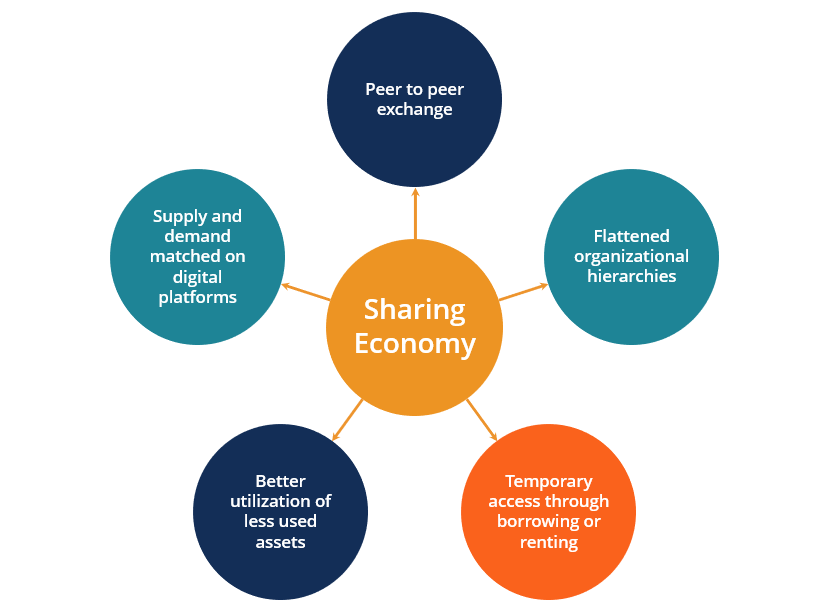
The generation of Sharing Economy revenue is the lifeblood that fuels this dynamic and rapidly expanding ecosystem. As the market advances toward its forecast size of USD 2031.1 billion by 2032, understanding the mechanics of how these platforms generate income is crucial. This financial growth, which is anticipated to proceed at a brisk 33.50% CAGR from 2023-2032, is primarily driven...
Looking back over the past year, we’re taking a nostalgic journey through our MMO coverage, revisiting key moments month by month to highlight the most significant events before we move into 2017. In the abbreviated month of February, the MMO scene was bustling with activity and developments. Two major titles captured the spotlight: the Korean-based Black Desert, which ramped up its...

"What’s Fueling Executive Summary EMEA Prefilled Syringes (Saline) Market Size and Share Growth CAGR Value The EMEA Prefilled Syringes (Saline) Market size was valued at USD 165.85 Million in 2024 and is expected to reach USD 342.75 Million by 2032, at a CAGR of 9.6% during the forecast period The EMEA Prefilled Syringes (Saline) Market's growth is...
The global SQUID Sensors Market is witnessing steady expansion as advancements in superconducting materials, medical imaging, and quantum research fuel new applications across industries. Valued at US$ 161.78 million in 2024, the market is projected to grow at a 4.5% CAGR from 2025 to 2032, supported by rising demand for ultra-sensitive magnetic field detection technologies. Detailed insights,...