


The Architecture of Modern Enterprise: The Everything as a Service Industry Structure
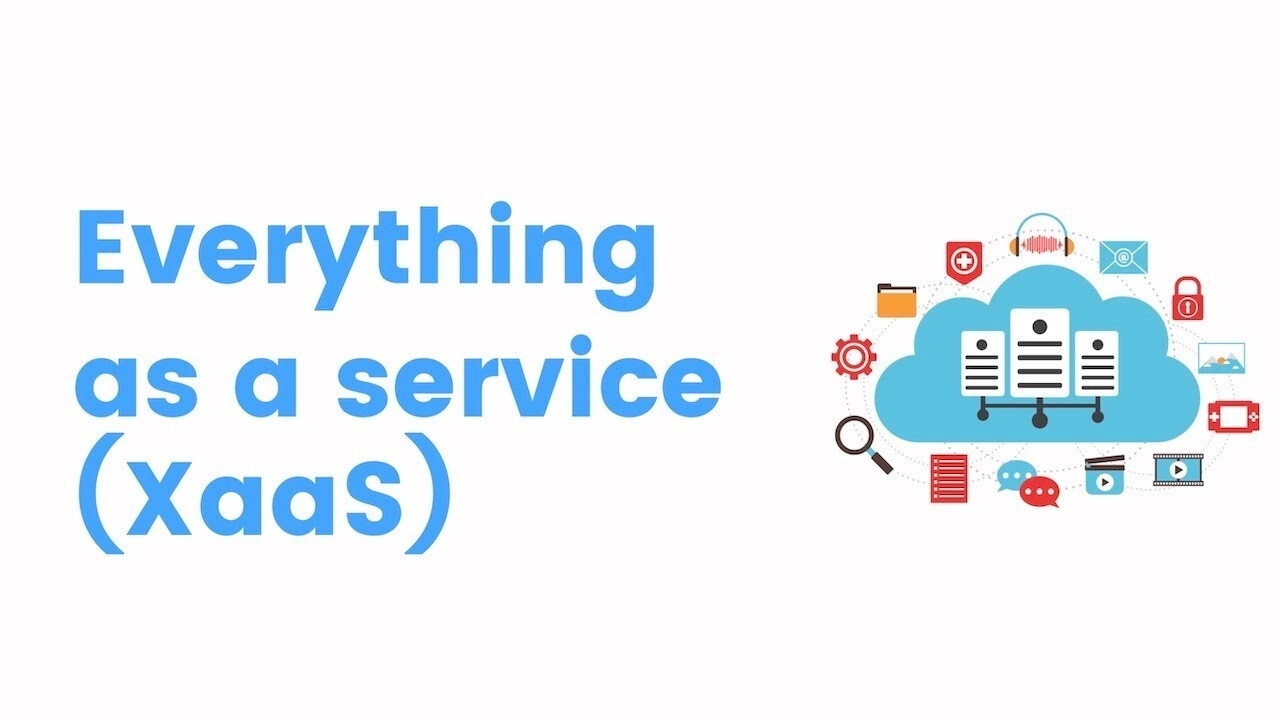
To truly appreciate the digital revolution, one must understand the underlying architecture that supports it. The Everything as a Service Industry is not a single, uniform entity but a sophisticated, layered ecosystem where different types of companies provide specialized value. This structure is akin to a digital skyscraper, with each floor providing essential services to the floors above it. From the deep foundations of physical data centers to the user-facing applications at the very top, this multi-layered model enables the incredible complexity and scalability of the modern cloud. Understanding this industry structure is key to seeing how thousands of companies, from global tech titans to nimble startups, coexist and collaborate to deliver the seamless, on-demand services that have become integral to both business operations and our daily lives. It is the blueprint of the modern, digitally-powered enterprise.
At the very bottom, forming the bedrock of the entire industry, is the foundational layer of Infrastructure Providers. This layer is dominated by the hyperscalers—most notably Amazon Web Services (AWS), Microsoft Azure, and Google Cloud (GCP). These companies are responsible for the colossal capital expenditure required to design, build, and operate a global network of massive, highly secure, and efficient data centers. They provide the raw, fundamental building blocks of the cloud: virtualized compute resources (servers), scalable storage, and high-speed networking. This IaaS layer is the utility company of the digital world, providing the "electricity" that powers everything built on top of it. Their immense scale gives them a nearly insurmountable competitive advantage at this level, making them the landlords of the digital real estate upon which the rest of the industry is built.
Occupying the middle layers of the ecosystem are the Platform and Software Providers. These companies build upon the foundational IaaS layer to create more specialized and abstracted services. Platform as a Service (PaaS) providers, like Heroku or Google App Engine, offer complete development and deployment environments in the cloud, allowing software developers to build, test, and run their applications without worrying about the underlying infrastructure. Above them are the thousands of Software as a Service (SaaS) providers. These companies deliver ready-to-use applications directly to end-users over the internet. This is the most visible layer of the industry, encompassing everything from Salesforce's CRM and Dropbox's file storage to Netflix's video streaming. These companies focus on solving specific business or consumer problems, leveraging the scalability of the layers below them to serve millions of customers.
At the top layer, interacting directly with a vast number of business customers, are the Managed Service Providers (MSPs) and System Integrators (SIs). The sheer number of XaaS offerings creates immense complexity for businesses trying to adopt them. This is where MSPs and SIs add crucial value. They act as expert consultants and implementation partners, helping organizations devise a cloud strategy, choose the right combination of services from multiple vendors, and integrate them with existing systems. They often provide ongoing management, monitoring, and support for a company's cloud environment, ensuring it is secure, cost-effective, and optimized for performance. They are the architects and general contractors of the cloud world, translating the vast potential of XaaS into tangible business outcomes. The Everything as a Service (XaaS) Market size is projected to grow USD 4505.11 Billion by 2035, exhibiting a CAGR of 22.12% during the forecast period 2025-2035.
Explore Our Latest Trending Reports:
Kategorien
Mehr lesen
Hyperspace Partners Event A fresh collaboration event, titled Hyperspace Partners, has launched in Monopoly GO! to enhance your gameplay experience. To assist players in gathering partner tokens efficiently, Scopely has introduced an exciting new challenge called Crest Quest. This event kicked off on June 17 and will be available for 48 hours, concluding on June 19. Participating in Crest...

This Middle East and Africa Cargo Inspection Market report has been prepared by considering several fragments of the present and upcoming market scenario. The market insights gained through this market research analysis report facilitates more clear understanding of the market landscape, issues that may interrupt in the future, and ways to position definite brand excellently. It...
"Executive Summary Food Coating Market Size and Share: Global Industry Snapshot CAGR Value The food coating market is expected to witness market growth at a rate of 6.50% in the forecast period of 2022 to 2029. Businesses can depend with confidence upon this superior Food Coating Market report to bring about an utter success. An expert team involved in creating this report...
In MLB The Show 25, players begin their journey with a standard roster reflecting the league's composition before Opening Day. However, the game offers flexibility to update or customize rosters at any point during the season. These updates include live roster changes, which evolve in real-time based on actual MLB events, as well as user-created custom rosters available for download. To access...
New York Reaches Financial Settlement with Major Antivirus Companies The state of New York has secured a significant financial agreement with leading cybersecurity firms Symantec and McAfee following an investigation into their subscription renewal practices. The settlement requires the companies to pay $750,000 to the state and implement more transparent policies regarding automatic renewals....